
I’m a designer, dreamer, and nature enthusiast. My love for art and design shapes the work that I do.

Ning Zhang
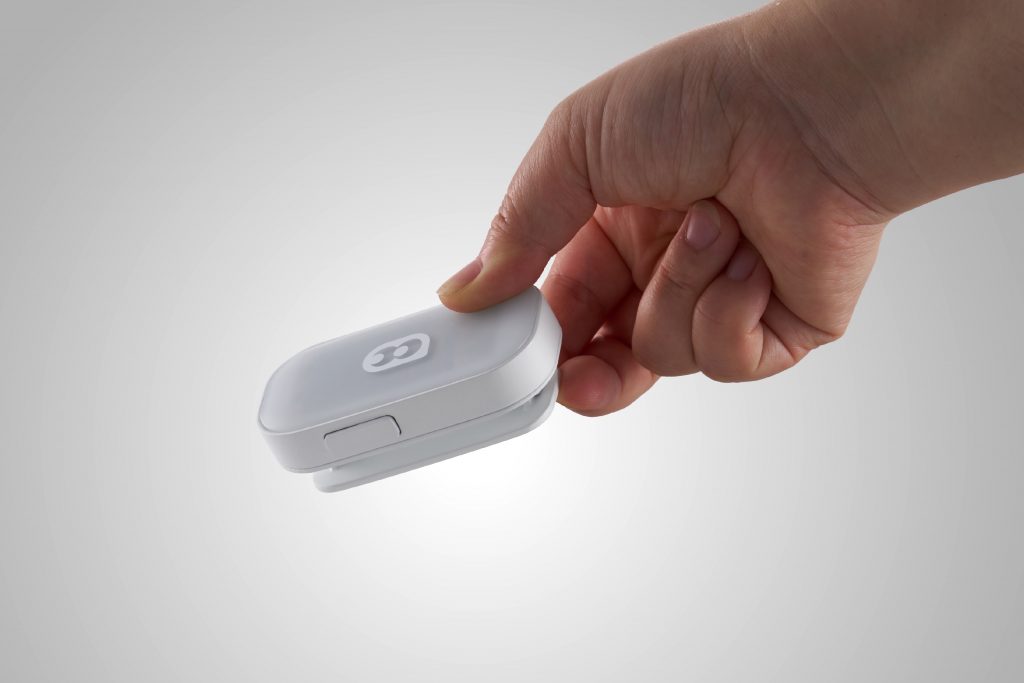
EyeCare is an AI-powered vision health management system designed to support children’s eye care and promote healthy visual habits. By combining eye-tracking technology, computer vision, and intelligent data analysis, the system monitors reading distance, screen time, blinking frequency, and viewing posture in real time. EyeCare provides personalized feedback and recommendations to help parents identify potential vision issues at an early stage. Through gamified interactions, visual data reports, and long-term habit tracking, EyeCare transforms eye health management into an engaging daily experience, helping children develop healthier digital behaviors and reduce the risk of vision-related problems.
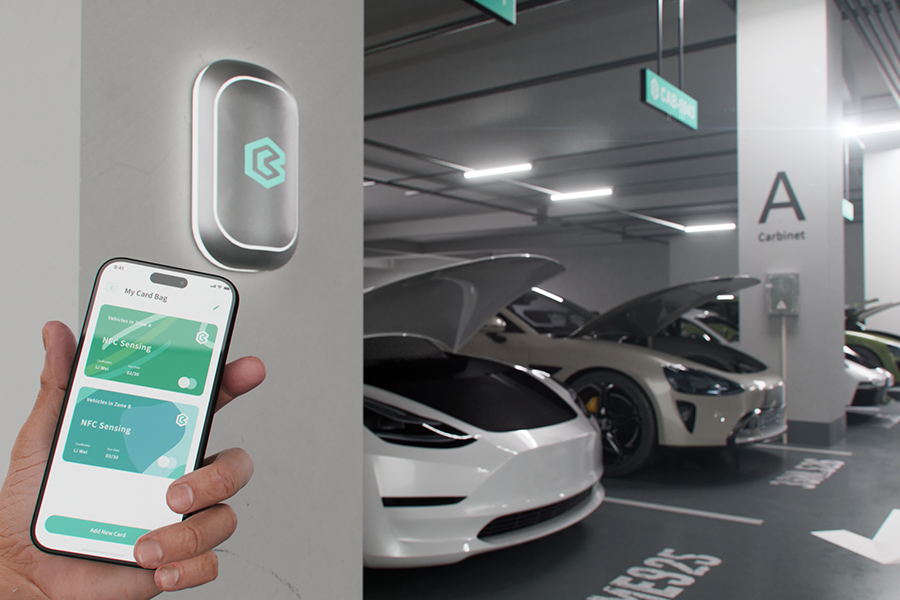
Carbinet
Carbinet is a community-based logistics system designed around the hidden inefficiencies of last-mile delivery. By transforming private car trunks into flexible “mobile cabinets,” the project creates a distributed network of temporary storage points within residential communities. In this system, car owners, residents, couriers, and property services collaboratively participate in parcel exchange, reducing failed deliveries, waiting time, and infrastructure costs. Rather than building more fixed lockers, Carbinet leverages existing urban resources to form a lightweight, shared delivery network. The project reimagines last-mile logistics as a cooperative community service—where everyday mobility becomes part of a smarter, more human-centered urban delivery system.
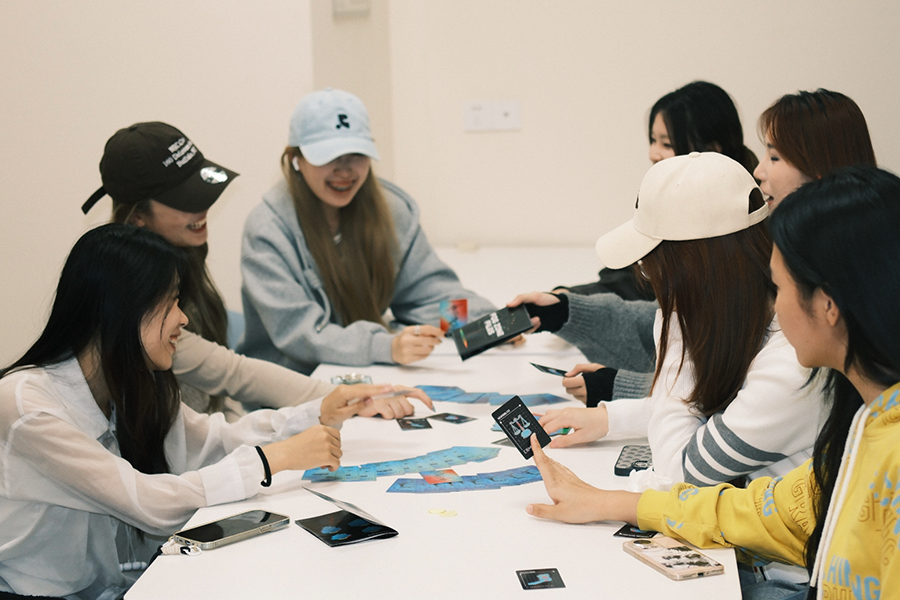
Fog Zone Files
Fog Zone Files is a strategy board game themed around the hidden carbon emissions of digital behavior. Set in a fictional Carbon Regulation Bureau, players take on the roles of policymakers debating and passing digital-related bills that influence the bureau toward either a high-carbon dependency or a low-carbon reduction agenda. The action cards are inspired by everyday digital activities—such as cloud storage, video streaming, and social media use—revealing the unseen carbon footprint of our online habits. Through factional negotiation and policy-making dynamics, the game transforms complex environmental data into an engaging experience that encourages players to rethink the myth of “digital = zero carbon.”
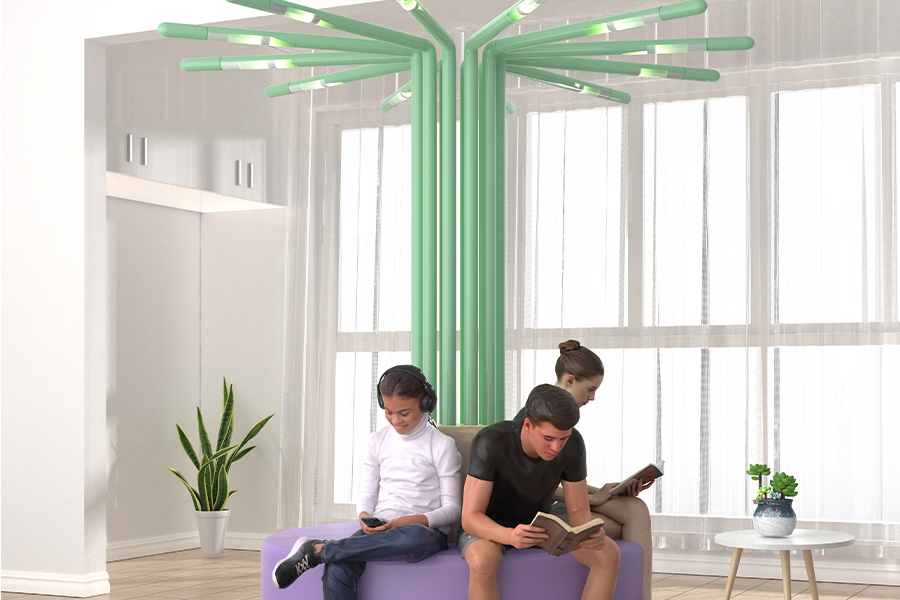
Relax Recline
In the fast-paced urban life, people gradually lose their perception and connection with nature. This sense of alienation in the “accelerated society” makes me think about how to let people return to the present and feel nature again.
I observed park usage behaviors, tested different reclining angles, experimented with sensors and sound mapping methods, and conducted multiple rounds of user experience testing outdoors to find the most natural and least intrusive way to resonate.
Finally, I designed an interactive chair that can transform natural data such as light, wind and soil moisture into soundscape, so that users can be gently guided to look up at the moment of sitting down, so as to re-establish resonance with nature and return to the present moment.